
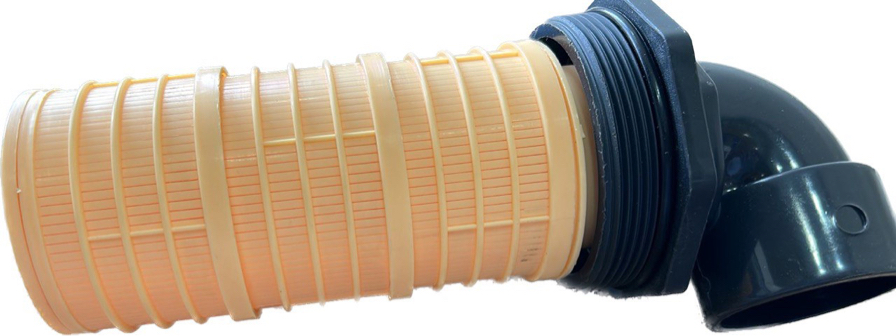
A DISTRIBUTION SYSTEM
A distribution system is a network that delivers goods, services, or utilities from producers to consumers. It ensures that products, electricity, water, or other resources reach end-users efficiently, reliably, and safely.
A distribution system is a network or framework designed to deliver goods, services, or resources from a source to end-users or consumers efficiently and reliably. It ensures that products or services are transported, stored, and made available in the right quantities, at the right time, and in the right locations. Distribution systems are widely used in logistics, supply chain management, utilities (like electricity or water), and communication networks.
Key components of a distribution system include:
Suppliers/Producers: The origin of goods or services.
Warehouses/Storage: Locations where products are stored before distribution.
Transportation Network: Means of moving products—trucks, ships, pipelines, or even digital transmission.
Distribution Centers/Retailers: Intermediate points that facilitate the delivery to end-users.
Consumers/End-users: The final recipients of the product or service.
Types of distribution systems:
Physical distribution systems: For tangible goods (e.g., food, electronics, industrial products).
Utility distribution systems: For services like electricity, water, and gas.
Digital distribution systems: For software, digital media, and online services.
Functions of a distribution system:
Ensures product availability and accessibility.
Minimizes cost while maximizing efficiency.
Maintains quality and safety of products.
Provides reliability and timeliness in delivery.
Example: In an electricity distribution system, power is generated at a power plant, transmitted via high-voltage lines, stepped down through substations, and finally distributed through local networks to homes and businesses.